Why Black radio still matters
For generations, Black radio has been where our communities hear the news, find the music and trust the voice. Fewer of those stations are Black-owned than ever. Here's why that matters.
Play Ode · October 17, 2026 · 4 min read
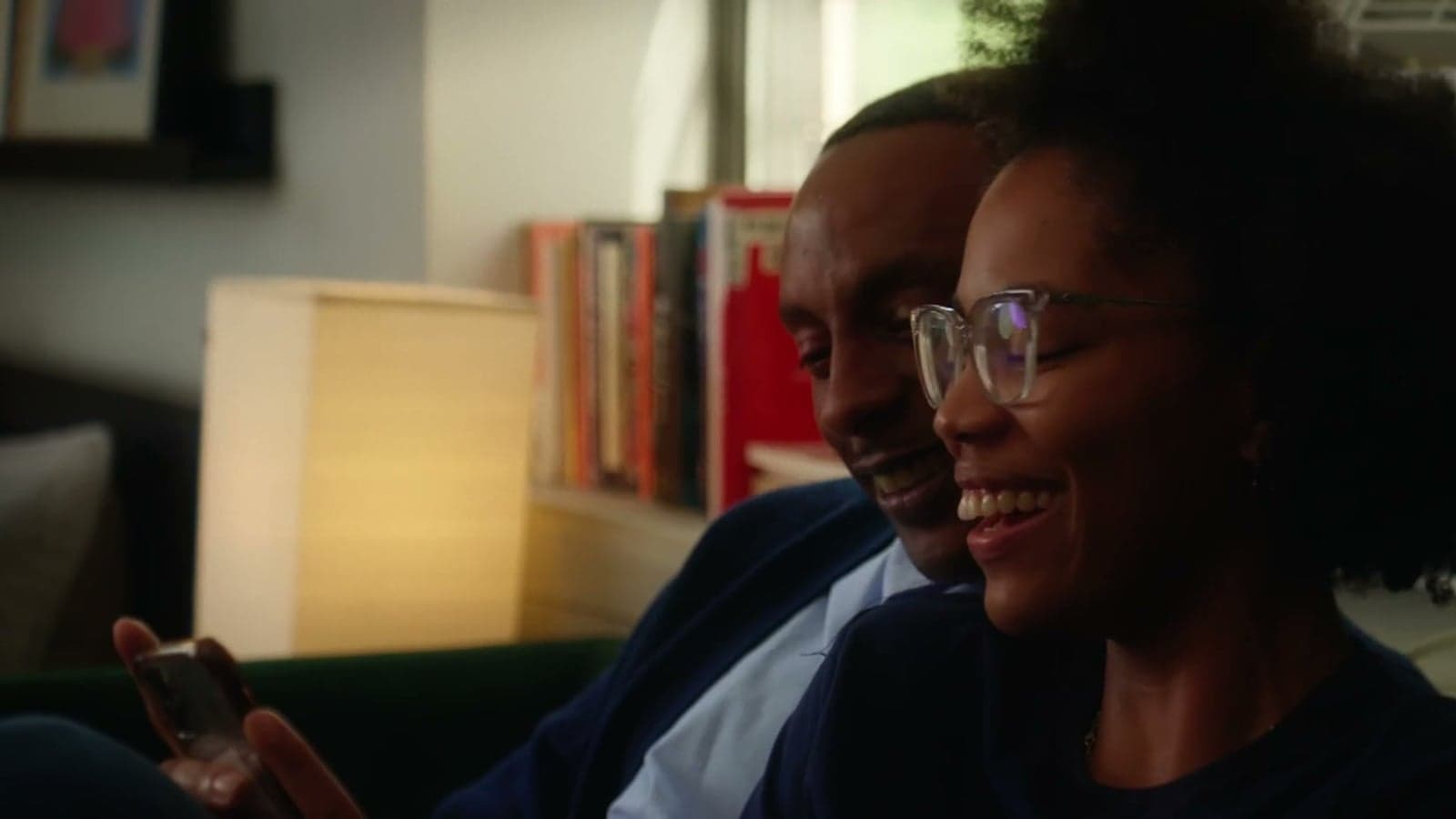
Turn on a Black radio station in almost any American city and you'll hear more than music. You'll hear who's sick and who's getting married, which church is feeding families on Saturday, which road is closed, and what the city council did last night. For generations, Black radio has been the place where a community talks to itself.
It still is. Here's why that matters, and why who owns the station matters just as much.
The station that showed up
Black radio grew up in the years when mainstream media barely acknowledged Black life. In 1948, WDIA in Memphis put Nat D. Williams on the air, and within about a year it was programming entirely for Black listeners. In 1949, Jesse B. Blayton Sr. bought WERD in Atlanta, the first station in the country owned by a Black American.
Those stations did not just play records. They read the community calendar, carried church services and gave airtime to the people and problems other outlets ignored. Listeners came to think of them as "their station," and they were right to.
A line to the movement
During the civil rights movement, Black radio was how word got around. WERD shared a building on Auburn Avenue with Dr. Martin Luther King Jr.'s Southern Christian Leadership Conference. According to the New Georgia Encyclopedia, King reportedly tapped a broomstick on the ceiling when he had something to say, and the DJ upstairs lowered a microphone out the window.
Black disc jockeys announced meetings, marches and boycotts to people who would never read about them in the white-owned paper. When news broke, they were often the first to explain what it meant.
Trusted voices also mattered in the hardest moments. On July 23, 1967, as unrest spread through Detroit, Martha Jean "the Queen" Steinberg got WJLB to drop its regular programming and went on the air to urge listeners to stay safe and stop the violence. She had learned her craft years earlier at WDIA in Memphis.
Still the leading reach
Black radio is not a museum piece. According to Nielsen, radio is the leading reach medium for Black Americans, with 92% tuning in each month in its 2025 report. That reach holds across ages: 87% of Black adults 18 to 34 tune in monthly.
Part of that is music. Black radio has broken artists from the blues to soul to hip-hop, and it is still where many listeners first hear the next big thing from their own city. Part of it is habit: the morning show on the drive to work, the gospel hour on Sunday, the quiet storm at night.
And part of it is trust. In a 2023 Pew Research Center survey of Black adults, 48% said they trust information from local news outlets at least a fair amount, compared with 18% for social media. About a quarter said they get news from Black news outlets extremely or fairly often, and another 40% sometimes do.
A voice you hear every morning, talking about your streets and your people, earns a kind of trust a feed never will.
Who owns the signal
Here is the hard part. Black ownership of radio has always been small, and it has not grown. In the FCC's latest ownership report, using 2023 data, Black owners held a majority stake in 151 commercial AM stations, about 4%, and 122 commercial FM stations, about 1.9%. Black Americans make up about 12% of the country.
The National Association of Black Owned Broadcasters points to several causes, including the Telecommunications Act of 1996, which it says allowed a massive consolidation of ownership. Big groups bought up local stations. Many Black-owned stations that remain are small: NABOB says 72% of them bring in less than $1 million a year.
The policy winds have not been at their back, either. In January 2025, FCC Chairman Brendan Carr ended the agency's promotion of diversity, equity and inclusion and shut down its Communications Equity and Diversity Council.
Ownership matters because owners make the calls. They decide whether the station keeps a local newsroom, whether the morning show talks about the school board or just reads the weather, and whether a community event gets airtime or gets a pass. A station can play Black music without being accountable to Black listeners.
Why a Black-owned home matters
That's the reason Play Ode exists. Ode Audio is a Black-owned company in Memphis, the city where Black radio found its voice. Play Ode brings Black radio stations, podcasts and news together in one app, so the voices that have always shown up for our communities are easy to find, wherever you are.
The station down the street still matters. So does the podcast recorded across town, and the newsroom covering the stories nobody else will. We built a home for all of them, and we own it.
Hear us here.